
Share this
Recently, there have been many incidents of hackers feasting on cryptocurrency investments, leaving many with empty wallets and not knowing what hit them. While blockchains form the backbone of cryptocurrencies to minimise risks, these risks can never be completely eradicated.

As covered in our 10 Ways to Secure Your Digital Assets story, a number of cryptocurrency exchanges have already fallen prey to hackers, resulting in thousands of people losing millions of dollars. These incidents have resulted in the calls for cryptocurrency insurance to grow louder. With the risks clear-cut, it only made sense for insurance companies to jump on the cryptocurrency bandwagon.
Initially in 2018, the likes of XL Catlin, Chubb and Mitsui Sumitomo Insurance didn’t waste any time providing cryptocurrency coverage, while others contemplated angles such as theft coverage for cryptocurrency companies and exchanges.
The interest from insurance companies has also risen given the astronomical growth of the cryptocurrency market. According to a September 2019 Forbes report, over the past three years, the cryptocurrency market value has risen 25-fold, hovering near $300 billion today. Meanwhile, theft of crypto assets by hackers continues unabated, reaching $480 million in the first half of 2019. Hackers being hackers are unlikely to relent in their efforts to get a big pay day, providing plenty of opportunities for insurance companies to offer coverage.
Lloyd’s of London is an emerging player in the crypto scene, facilitating $255 million and $100 million policies for Coinbase and BitGo respectively. With the latest announcement in November 2019, Lloyd’s of London now offers its latest $150 million insurance policy for users of Ledger Vault technology including users of Bitazza’s platform, thanks to the global partnership.
Nonetheless, some insurers remain cautious due to the lack of historical data for analysis. As aptly illustrated in a Reuters analysis, the challenge for insurance companies lies in “how to cover risks for customers they know little about, who use technology few understand and represent a young industry that lacks troves of data insurers usually rely on in designing and pricing coverage.”
Despite this challenge, the rapid growth and popularity of cryptocurrency is undeniable, and the insurance industry probably won’t resist temptation much longer. With greater regulatory clarity of cryptocurrencies, we could see more insurers making a beeline to provide crypto insurance in the near future.
Share this
Subscribe by email

ภาษีคริปโตในไทย 2569: ทุกสิ่งที่นักลงทุนบน Exchange ที่ได้รับใบอนุญาตต้องรู้

Thailand Bitcoin ETF: ทุกสิ่งที่นักลงทุนไทยต้องรู้ในปี 2569

BTC ยังมีแรงซื้อ ท่ามกลางน้ำมันราคาพุ่ง
SEC สหรัฐเคาะ คริปโตส่วนใหญ่ไม่ใช่หลักทรัพย์

ทำความรู้จักเหรียญ IOST Coin เหรียญ เทคโนโลยีล้ำ บนโลก Web3 (Clone)

ประกาศสำคัญ: การปรับปรุงและอัปเดตรายการสินทรัพย์ดิจิทัลบางรายการ

กองทุนแห่งชาติ UAE ลงทุน Bitcoin ผ่าน ETF เพิ่มขึ้น

SSF คืออะไร อัปเดตเงื่อนไขล่าสุด พร้อมกลยุทธ์ลงทุนลดหย่อนภาษีให้คุ้มค่า
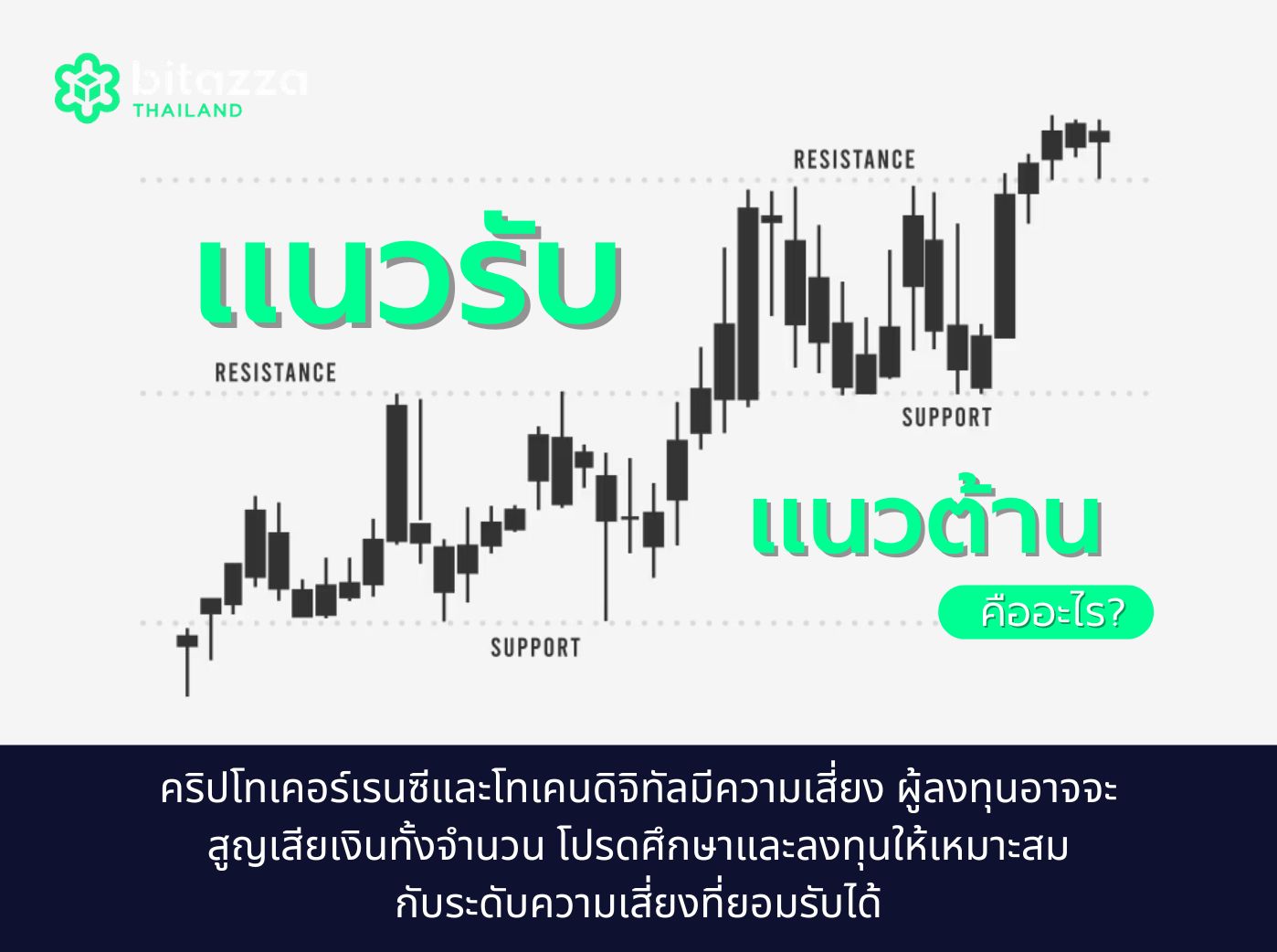
แนวรับ แนวต้าน คืออะไร? เทคนิคดูกราฟราคาสำหรับนักเทรดมือใหม่